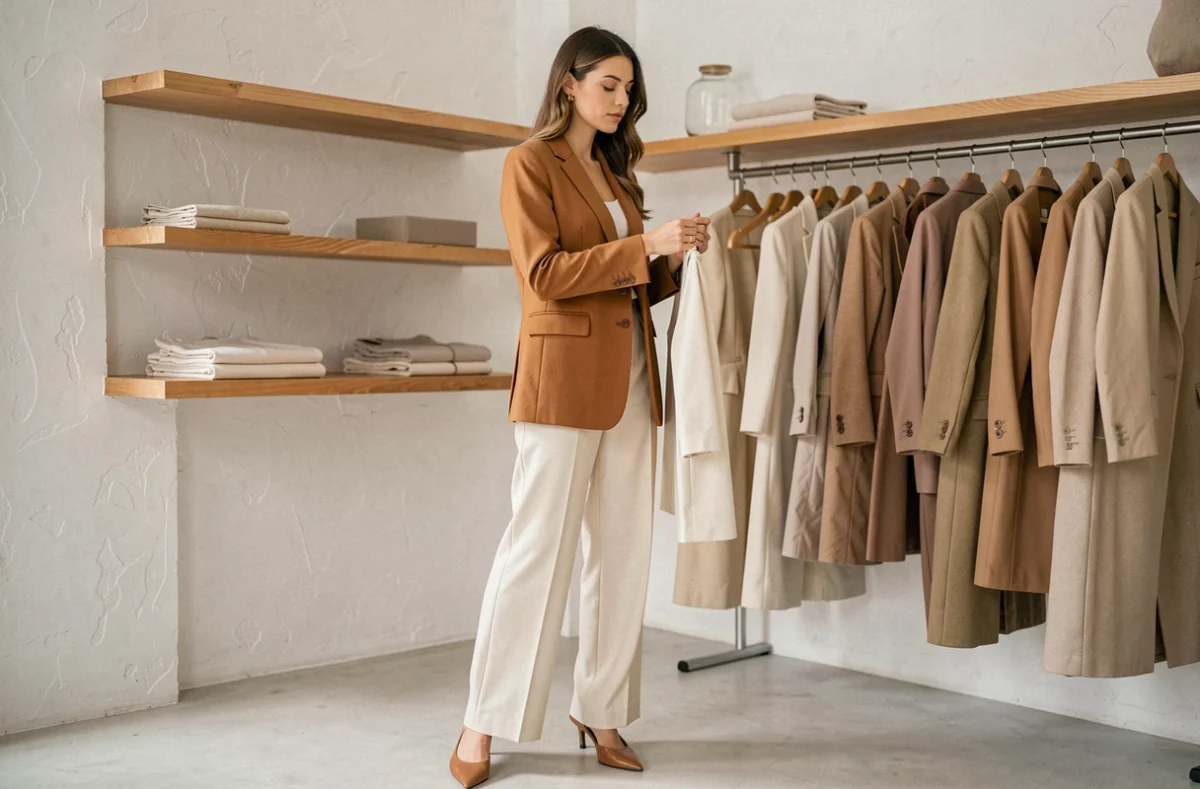
When you open your wardrobe at the beginning of the season, the question isn’t about replacing everything. The real issue is identifying the few pieces and materials that will make a difference in your daily life.
This year’s fashion trends share a common point: they require thinking as much about sustainability as about style. Between new regulations, the rise of second-hand items, and the return of forgotten cuts, we sort through what truly deserves your attention and what is just seasonal noise.
Fashion regulation in France: what is changing in your purchases
Before discussing colors or silhouettes, a technical point must be addressed. France is now targeting “ultra-fast fashion” through new obligations related to extended producer responsibility (EPR). In practice, brands must finance the collection, sorting, and recycling of the textiles they put on the market.
Contributions will be adjusted according to the durability, reparability, and recyclability of products. Translated into your daily life: pieces designed to last will gradually become more competitively priced compared to disposable items, whose real cost will increase.
The destruction of unsold goods is also progressively becoming prohibited in the European Union. This measure encourages the emergence of “new with tags” stock in resale channels. You can find brand pieces at reduced prices, provided you know where to look, and for that, you can check out the Valimero Fashion Addict site, which brings together a curated selection of fashion references.
The direct consequence for enhancing your style this year: favoring pieces whose manufacturing and materials withstand the test of time is no longer a militant choice; it’s an economic calculation.
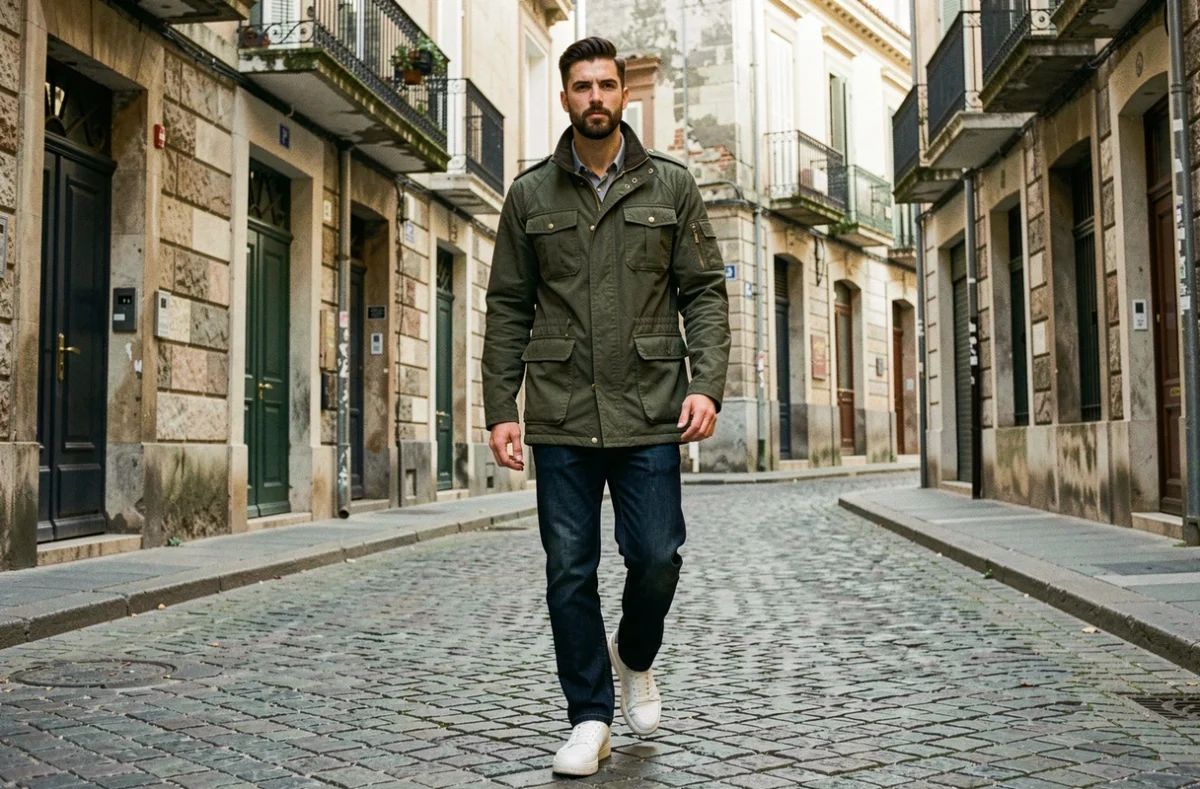
Second-hand and resale channels: not all channels are equal
Buying second-hand has become a reflex for many. Opinions vary on this point, but a report from Oxfam France published in September 2026, based on an analysis by RDC Environnement, provides useful insights.
Its conclusion: solidarity channels in physical stores can have a lower carbon impact than commercial resale or online platforms. The logistics of individual delivery, returns, and excessive packaging weigh down the balance sheet of some digital channels.
To integrate second-hand into your style without complicating your life, here are the criteria that matter:
- Check the condition of seams and closures before purchasing, especially on structured pieces like blazers or coats
- Prefer solidarity shops or local consignment stores, where the supply chain remains short
- Target noble materials (wool, linen, silk) that age better than synthetics and maintain their drape after several owners
- Spot “new with tags” stock resulting from the ban on the destruction of unsold goods, often available at bargain prices
The idea is not to give up on online platforms but to choose your channel based on what you’re buying. A basic cotton t-shirt handles postal shipping well. A wool coat deserves to be tried on in-store.
Textile repair: an underestimated style lever
Repair is often associated with a chore. In the current context, it’s a real lever for personalizing your wardrobe. European EPR systems push brands to incorporate reparability from the design stage. The result: more and more pieces are hitting the market with spare buttons, detachable linings, or accessible seams.
Having a hem taken up or a lining replaced costs less than a new purchase and allows you to keep a piece that fits you perfectly. A tailored pair of pants falls better than a brand-new pair worn as is.
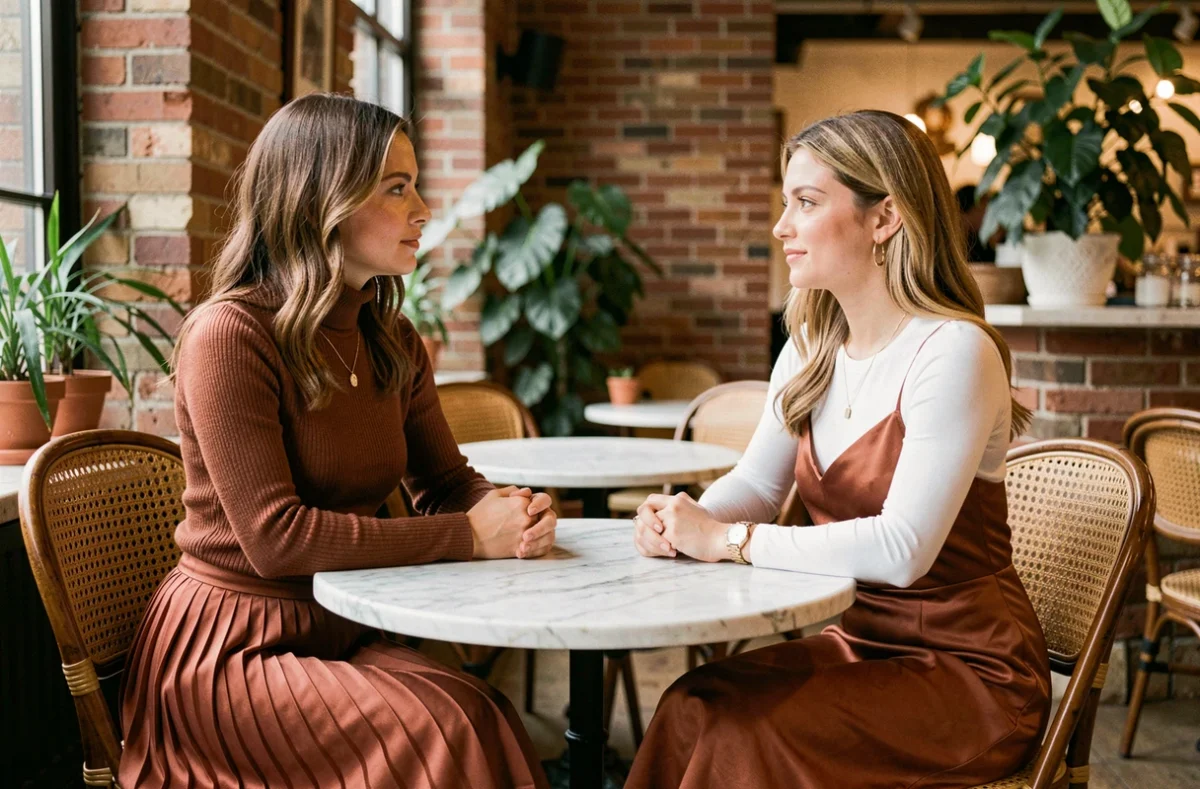
The most cost-effective gesture remains the taking in of a jacket or blazer found second-hand. A few dozen euros for alterations transforms a generic piece into a tailored one. It’s exactly this type of intervention that elevates a look without multiplying purchases.
Trending colors and cuts: what works in daily life
On the color palette side, warm and earthy tones dominate the autumn-winter season, while spring-summer highlights bold colors. Red remains a key color, and shades of green (from lime to emerald) are firmly establishing themselves in collections.
For everyday wear, we primarily focus on three concrete axes:
- Linen and silk as raw materials for the beautiful season, providing fluidity without sacrificing structure
- Loose cuts on the bottom (wide pants, barrel jeans) combined with a more fitted top to balance the silhouette
- Denim extended beyond classic jeans: jackets, skirts, dresses, in faded or raw shades depending on the season
A look built around a maximum of two materials gains in coherence. Mixing linen and lightweight leather works. Stacking silk, synthetic, and wool in the same outfit muddles the silhouette’s reading.
Pastel colors and neutral tones: for whom, for what
Beige, powder pink, and sky blue remain safe bets for mid-seasons. Their strength: they combine well with each other without the risk of missteps. Their limit: worn from head to toe, they can flatten light complexions. An accessory in a bolder color (belt, bag, shoes) is enough to revive the whole look.
Sustainable fashion and personal style: making choices without complicating things
The Kearney Circular Fashion Index 2026 confirms that circular services remain difficult to deploy on a large scale. Rental, repair, resale: these options exist, but their accessibility varies greatly depending on cities and brands.
In practice, the best strategy to enhance your style this year is to reduce the number of pieces purchased and increase the quality of each. A wardrobe focused on durable basics (a good pair of jeans, a tailored blazer, two pairs of versatile shoes) leaves more budget for one or two standout pieces each season.
Fashion trends come and go. A wardrobe built around solid materials and cuts suited to your body shape remains relevant well beyond a season. It’s the only approach that combines style, budget, and environmental impact without requiring an excessive effort.