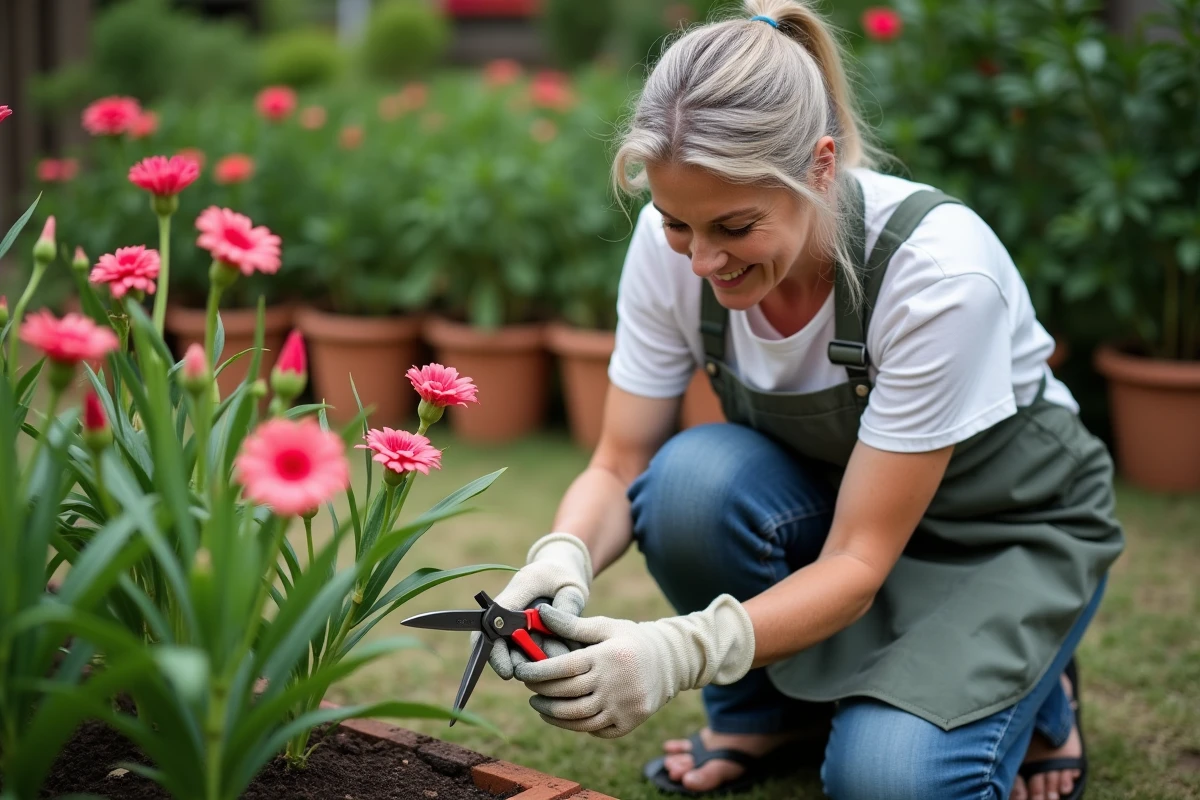
Multiplying alstroemeria through cuttings is not something to be taken lightly, even for those who appreciate its reputation as a hardy perennial. Everything hinges on choosing the right rhizome, the precise moment to intervene, and the attention given to the environment. Results can vary greatly from one method to another, and the slightest misstep can jeopardize the recovery.
Sometimes, it only takes missing a technical step for hopes to vanish. However, a few simple actions combined with a minimum of know-how can significantly improve the chances of success, even without sophisticated equipment.
Understanding alstroemeria: characteristics and challenges of multiplication
Under the name Inca lily, alstroemeria holds a prominent place in gardens for its vibrant flowering, ranging from bright yellow to soft pink. This native of Chile and Peru stands out with its slender stems, deciduous foliage, and especially its underground rhizomes capable of storing all the plant’s energy. Between May and September, it transforms borders and flower beds, whether it be varieties like Alstroemeria aurea or Alstroemeria ligtu with subtle colors.
To multiply this perennial, one must consider its specificities. The rhizome simplifies propagation by division: it is the most straightforward technique to obtain a plant identical to the original clump. Sowing, which is more adventurous, allows for a broader palette but requires a lot of patience and careful management of cold. While alstroemeria can tolerate temperatures down to -10 °C, it does show weakness against stagnant moisture or slug attacks.
Nothing replaces certain basics: well-drained soil enriched with compost, a protective cover in winter, and partial shade to avoid overheating. The tips for alstroemeria cuttings emphasize selecting a healthy rhizome, monitoring moisture, and combating pests.
Alstroemeria is not just an aesthetic asset: it promotes garden biodiversity and attracts pollinators. Whether it be hybrids or wild species like psittacina, auriantica, or Indian Summer, all benefit from this adaptability that facilitates multiplication over the years.
Which cutting methods should be prioritized for success at home?
Cutting alstroemeria is not simply about cutting and planting: it involves choosing the most reliable technique suited to one’s expectations and experience. The most dependable method remains rhizome division. In early spring or autumn, dig up the rhizome, separate it into several fragments each with a bud, and then replant in light, well-drained soil. A discreet watering, and the new plants quickly take root, perfectly identical to the original clump.
The stem cutting method appeals due to its apparent simplicity, but it often disappoints. Even a carefully taken stem, cut at an angle and placed in light substrate under a bell jar, does not always yield satisfactory results. Trials with rooting hormones offer inconsistent results, reserved for the most persistent.
For those who enjoy novelty, sowing opens up varied horizons. After allowing the seeds to dry for about three months and subjecting them to cold treatment, they are sown in spring. This process takes time but can yield astonishing results, both in terms of color and vigor.
Here is a clear overview of the techniques available to you:
- Rhizome division: almost always produces robust clones that flower quickly.
- Stem cutting: unpredictable results, for those who enjoy experimenting.
- Sowing: ideal for creating surprises, but requires patience and regular monitoring.
It is up to each individual to choose between faithful multiplication or the quest for new shades. Alstroemeria allows for great flexibility to embark on, test, learn, and share an unexpected success.
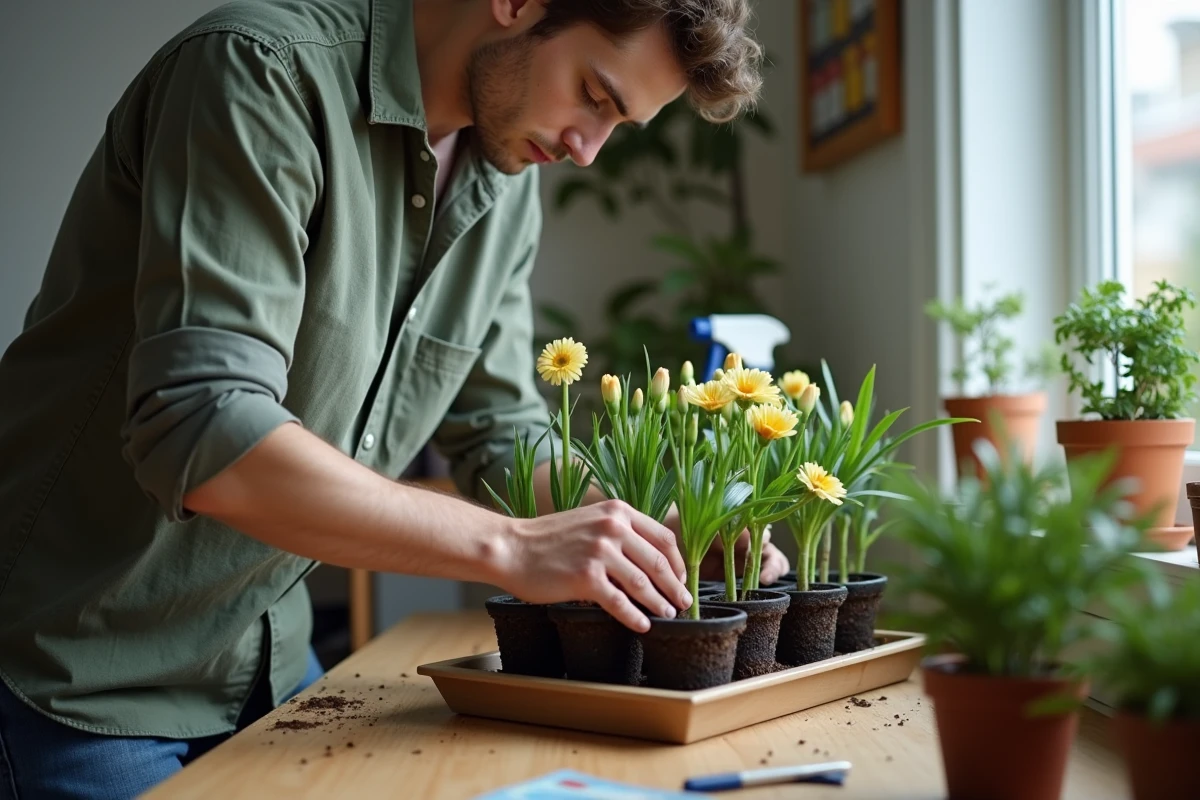
Simple actions to multiply alstroemeria while respecting the environment
Helping alstroemeria thrive without disrupting the garden’s balance relies on a few basic choices: soft, fertile soil enriched with well-matured compost, combined with gentle exposure away from full sun. Favoring natural methods yields much better results than an excess of chemical fertilizers that deplete the soil.
To retain moisture and limit pest proliferation, a plant mulch around the plant is often sufficient. Dead leaves protect against cold as soon as the first frosts arrive, while nourishing the soil’s microfauna. Watering, on the other hand, should remain moderate: excess water hinders recovery and promotes diseases. At the slightest doubt, prefer gentle treatments like nettle manure or black soap to repel aphids and gastropods, without harming the beneficial alliances in the garden.
If one wishes to foster a dynamic ecosystem, alstroemeria readily coexists with other perennials such as crocosmia, sage, or thyme. This mix will alleviate disease pressure, enrich biodiversity, and extend the flowering period in the garden from June to September.
Opting for reasoned multiplication also means recycling green waste and limiting the application of organic fertilizers to what is strictly necessary. In the ground or in pots, the Inca lily will demonstrate its hardiness, resisting significant temperature fluctuations, provided it is accompanied by a few appropriate actions. Year after year, it discreetly asserts its presence and contributes to the living balance of the garden without being overbearing.