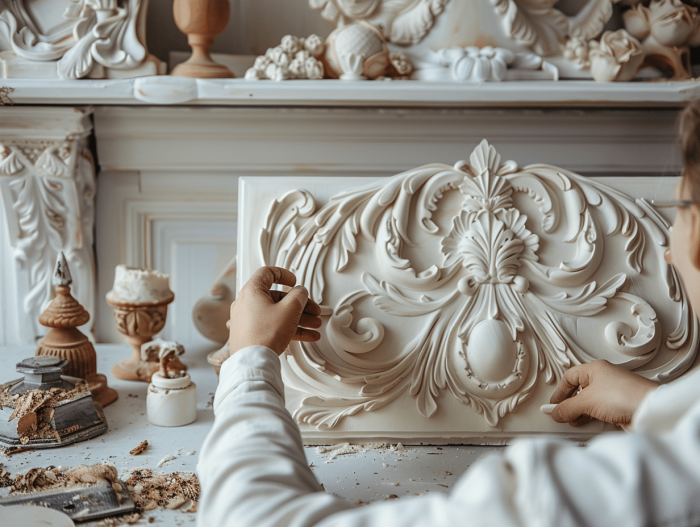
In the world of decoration and DIY, MAP glue is a versatile component widely appreciated for its strong adhesion and ease of use. Whether for fixing baseboards, moldings, or assembling decorative elements, this powder mixed with water has become essential. Mastering its use can be a significant asset for achieving flawless finishing work. DIY enthusiasts, whether amateurs or professionals, constantly seek advice to optimize the application of MAP glue to ensure lasting hold and an aesthetic finish to their projects.
Mastering the application of MAP glue for perfect decoration
The exceptional adhesion of MAP glue makes it a valuable ally for those looking to confidently dress a wall with plasterboard or wall coverings. Composed of polyurethane, Portland cement, sand, and additives, this glue offers remarkable resistance to both weather conditions and temperature variations. However, a successful application requires a precise understanding of its formulation and a scrupulous adherence to the implementation steps.
Surface preparation is crucial. Ensure that the surface is clean, dry, and free of dust or grease. A carefully prepared wall will guarantee optimal adhesion of the MAP glue. It is in the details that the excellence of a well-executed masonry job reveals itself.
Dosage and mixing are fundamental steps. Follow the proportions indicated by the manufacturer to achieve a homogeneous and workable paste. A mixture that is too liquid or too thick would compromise the quality of adhesion. The mixture should reach an ideal consistency for uniform application.
Application of the glue requires finesse and method. Use a notched trowel suitable for the size of the elements to be fixed. Spread the MAP glue in regular bands, allowing for a solid and durable attachment of the boards or wall panels. Precision in application determines the flatness and final aesthetics of the covering.
The drying time of MAP should not be underestimated. Allow the necessary time before continuing with work or painting, thus ensuring the stability and longevity of your project. Patience is a virtue in construction: complete drying prevents future issues related to insufficient curing of the glue.
Common mistakes to avoid with MAP glue and how to circumvent them
The choice of purchase location: often, craftsmen turn to local hardware stores or DIY shops without exploring specialized online sites. However, these offer a wider range of products and personalized advice. Prefer recognized platforms for their expertise in building materials to acquire high-quality MAP glue that meets your specific needs.
Neglecting drying time: a recurring mistake is underestimating the time needed for MAP glue to properly harden. Each manufacturer recommends a timeframe before load application or decoration is carried out. Follow these recommendations to prevent your wall panels or wallpapers from peeling prematurely.
Lack of knowledge about the MAP formula: this specific glue, thanks to its components like polyurethane and Portland cement, requires proper handling. The mistake would be to treat it like a standard adhesive mortar. Ensure you fully understand the properties of MAP to optimize its use, whether for indoor or outdoor work.
Choosing the wrong cleaning products: after applying MAP glue, using unsuitable cleaning products can compromise the adhesion and integrity of the covering. Avoid harsh chemical agents, especially in humid areas like the bathroom. Opt for gentle cleaners that preserve the quality of the binder without altering its properties.