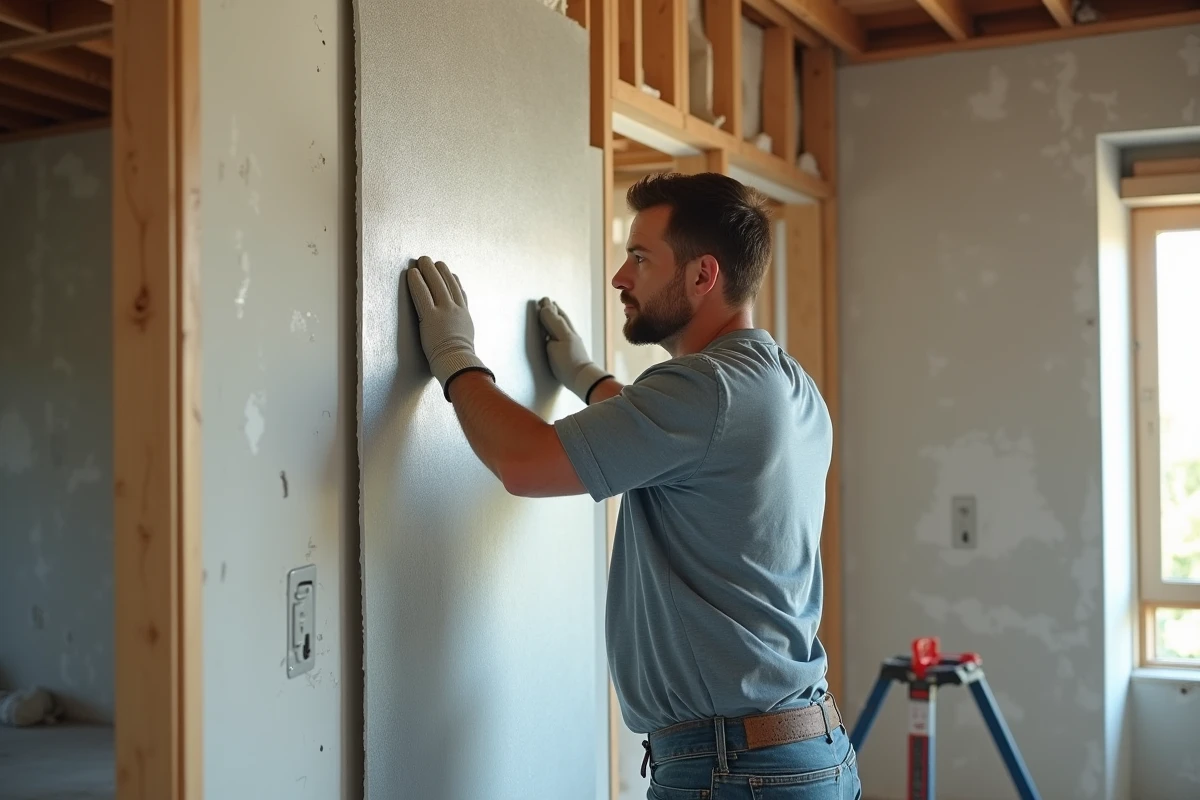
No tricolor certification elevates thin insulation to the rank of reference thermal insulation solutions. Yet, they are abundant on shelves and in quotes. Their actual effectiveness? A minefield: it all depends on the care taken during installation, the configuration of the space, and neighboring materials. Behind flattering displayed figures, doubt remains.
Some manufacturers stack up to twelve layers of reflective films and foams, promising mountains and wonders. But in practice, performance gaps are glaring depending on the contexts and uses. A detail that matters: not all products have a technical approval, and access to public aid varies based on certifications, a significant friction point for those hoping to lighten the bill.
Understanding thin thermal insulations: principles, composition, and uses
The thin insulation intrigues, attracts, and divides. Its principle is based on the superposition of reflective films and soft materials, organized in successive layers. Aluminum, polyethylene foam, felt, or textile wadding are combined to create a barrier against thermal exchanges. This lightweight and discreet multilayer structure boasts of reducing heat transfers by all modes: radiation, conduction, convection. The reduced thickness, generally from 5 to 30 mm, allows installation in corners where every millimeter counts, whether renovating or building anew.
Attention must also be paid to the vapor barrier: present in most reflective thin insulations, it slows the passage of water vapor to the walls and acts as a bulwark against condensation, the bane of long-term insulation. Skipping the air gap on each side of the insulation is impossible: without it, expect thermal bridges to appear and an accelerated degradation of the system.
In interior wall insulation, thin insulation is essential when space is limited: converted attics, ducts, lightweight construction sites. The choice of the right product depends on the building’s configuration, but also on moisture management, available thickness, and compatibility with ventilation. To clarify and truly decide which thin thermal insulation to choose, the file “Choosing the right thin thermal insulation for an efficient home” details the steps to follow. The multiplicity of thin insulation families, their adaptability, but also the necessity of impeccable installation, require method and a discerning eye.
Thin insulation or classic insulation: what is the real effectiveness for your home?
Comparing thin insulation and classic insulation quickly becomes a necessary step, as the stakes differ significantly. Traditional materials, glass wool, rock wool, wood wool, are characterized by robust thermal resistance for a given thickness. They excel at slowing the passage of heat and smoothing temperature variations thanks to convincing thermal lag.
Reflective thin insulations rely more on the reflection of thermal radiation, enhanced by the creation of air gaps. Their main advantage? Thinness, synonymous with space-saving in the tightest spots. But the limited thickness immediately constrains the thermal resistance. Certifications and technical opinions remind us that to compete with the performance of classic insulations, exemplary installation is required, particularly perfect mastery of the air gaps.
Here are the key differences between these two approaches:
- Glass, rock, or wood wool: consistency of performance, thermal and acoustic insulation at the same time, but the need for more bulk.
- Multilayer thin insulation: quick installation, space-saving, but highly dependent on the quality of installation and moisture management.
On energy renovation sites, a blend of types is often chosen. To insulate an interior wall, the choice narrows based on the project, space constraints, and thermal or acoustic objectives. Regulations, strict on minimum thermal resistance, sometimes lead to a hybrid solution: a thin insulation combined with a traditional material, to tick all the boxes for energy renovation aids.

How to choose a thin thermal insulation suitable for your needs? Tips and points of vigilance
Choosing the right thin thermal insulation for your project is not a matter of chance or a simple glance at packaging. First and foremost, you need to precisely identify the area to be insulated: some products will be better suited for attics, others for interior walls or roofing. The thickness of the material matters: the thinner it is, the easier it will be to integrate into a confined space, but be cautious of the thermal resistance claimed by the manufacturer.
Certifications serve as a compass. Prefer ACERMI, NF markings, or technical opinions issued by independent organizations: guarantees of verified performance, compliance with French requirements. Be wary if no test evidence is provided: unsubstantiated promises do not protect against the cold.
Some criteria to guide your choice:
- Examine the thermal resistance (R-value) corresponding to the intended use.
- Ensure the presence of an integrated vapor barrier for optimal management of water vapor.
- Look for products with an official French technical opinion.
- If you aim for work supported by aid, choose a recognized guarantor of the environment.
Installation requires great precision and strict adherence to the manufacturer’s instructions. Failing airtightness, absence of air gap, sloppy joints: all these flaws undermine thermal effectiveness. Advice from seasoned professionals will make all the difference whether it’s a roof, floor, or walls. For lasting thermal insulation, the quality of execution separates promise from reality.
Ultimately, thin insulation is neither a miracle nor a gadget, but a tool to be used judiciously. When well chosen and well installed, it fits into the array of insulation solutions, without ever replacing the consideration of the entire structure. Each project has its strategy, each home its recipe to escape drafts and energy waste.